Secondary tabs
Submission information
Submission Number: 16
Submission ID: 43
Submission UUID: 27166a8d-dbfa-4540-8066-467480c126f5
Submission URI: /ga/form/submit-contribution
Cruthaithe: Wed, 21 Jan 2026 - 02:00
Déanta: Wed, 21 Jan 2026 - 02:32
Changed: Wed, 13 May 2026 - 08:12
Remote IP address: 14.203.10.62
Submitted by: Anonymous
Teanga: English
Is draft: Níl
Current page: webform_confirmation
| Given name | Paulina |
|---|---|
| Surname | Larocca |
| paulina@paulinalarocca.com | |
| I understand that by submitting this form, I consent to the use of my data for the purposes of the 2026 Forum on Artistic Research'. | Tá |
| I agree to the terms of service. | Tá |
| Title | To Touch What Refuses Resolution: Metabolising Research Politics as Endangered Conceptual Worlds |
| Format | Workshop |
| Main language | English |
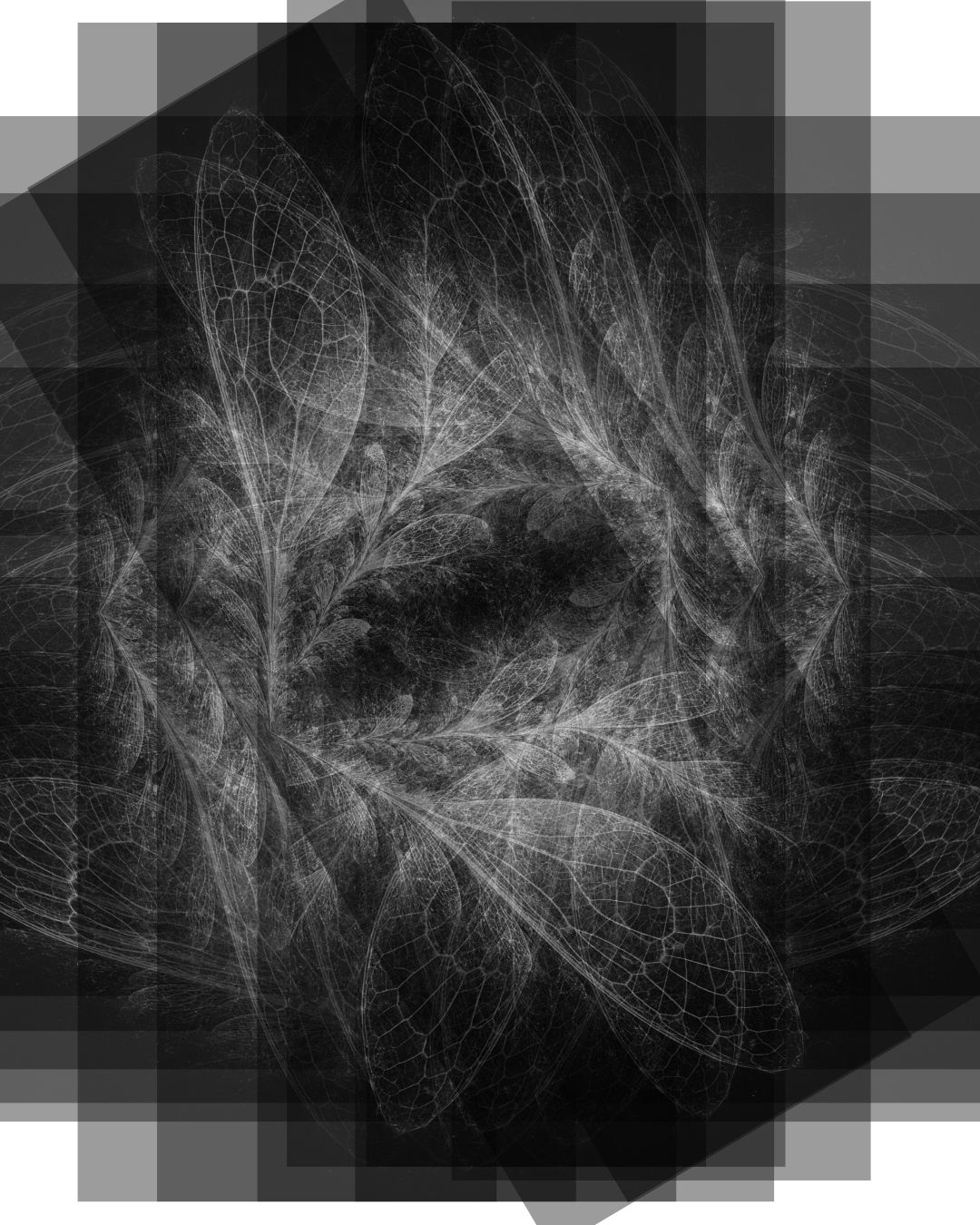
| Abstract | Metabolising-Through-Making (MTM) is a transdisciplinary, embodied practice that works inside the unfinished politics of research. It treats ethics forms, authorship hierarchies, budget lines and evaluation metrics as endangered conceptual worlds: fragile, forceful languages that organise what can be seen, said and felt. Rather than resolving these tensions discursively, MTM stages them materially, through touch, rhythm and residue. This 60-minute participatory workshop follows the life rhythm of cicadas as epistemic companions – beings who spend years metabolising underground before emerging together in a brief, disruptive chorus. Their cycle echoes MTM’s recursive phases of Orient, Enact, Witness, Action. Participants work through three movements: 1. Pressing: bodies, pages and institutional texts meet through slow, weighted contact. Research politics is approached haptically – as pressure, density, resistance – instead of as abstract policy. 2. Weaving / Tearing: photocopied fragments of ethics clauses, funding terms, authorship rules, assessment criteria and personal notes are layered, woven and torn. Visual and spatial arrangements make visible how these conceptual worlds entangle and pull apart. 3. Chorus: small soundings with voice, paper and simple objects gather what has been stirred without forcing verbal “sharing”. The work ends in residues – arrangements of paper, marks and objects – that remain in the space as witnesses. The workshop speaks directly to SAR’s focus on endangered conceptual worlds and minoritised modes of knowing. It explores how dance, gesture and material engagement carry subjugated knowledges that resist summarisation; how institutional languages inscribe themselves in bodies; and how artistic research can cultivate forms of sensing and response that stay with unresolved tensions. Documentation of residues and a short reflective score will be developed as a Research Catalogue exposition linked to this contribution. |
| Image |
|
| Short biographies of the presenter(s) |
|
| Previous presentations or iterations of the research | |
| Additional information | |
| Spatial and technical requirements | Materials (Minimal + Portable) • Undyed cloth squares (recycled, approx. A4 size) • Charcoal, tea/coffee for staining • Pre-printed epistemic fragments • Soft yarn, thread, paper • Scissors, pegs, string line Small speaker for cicada audio • Can be run with one facilitator, if needed, or, ideally, 3 in total Space & Technical Requirements • Room size: Minimum 4×4m • Flexible seating or open floor • One wall or hanging line • Tolerance for gentle sound • No AV, no projection |
| Potential risks or ethical concerns | |
| Create a user account for SAR 2026 | Tá |
| Create new user |