Secondary tabs
Submission information
Submission Number: 271
Submission ID: 333
Submission UUID: b09e70ec-bd33-498e-82e2-bed88b90d36e
Submission URI: /ga/form/submit-contribution
Cruthaithe: Sat, 28 Feb 2026 - 22:23
Déanta: Sat, 28 Feb 2026 - 22:29
Changed: Wed, 13 May 2026 - 08:12
Remote IP address: 91.65.150.97
Submitted by: Anonymous
Teanga: English
Is draft: Níl
Current page: webform_confirmation
| Given name | Jane |
|---|---|
| Surname | Hwang |
| janehwangjane@gmail.com | |
| I understand that by submitting this form, I consent to the use of my data for the purposes of the 2026 Forum on Artistic Research'. | Tá |
| I agree to the terms of service. | Tá |
| Title | Sonic Relics: A Somatic Seance for the Fractured Archive |
| Format | Other format |
| Main language | English |
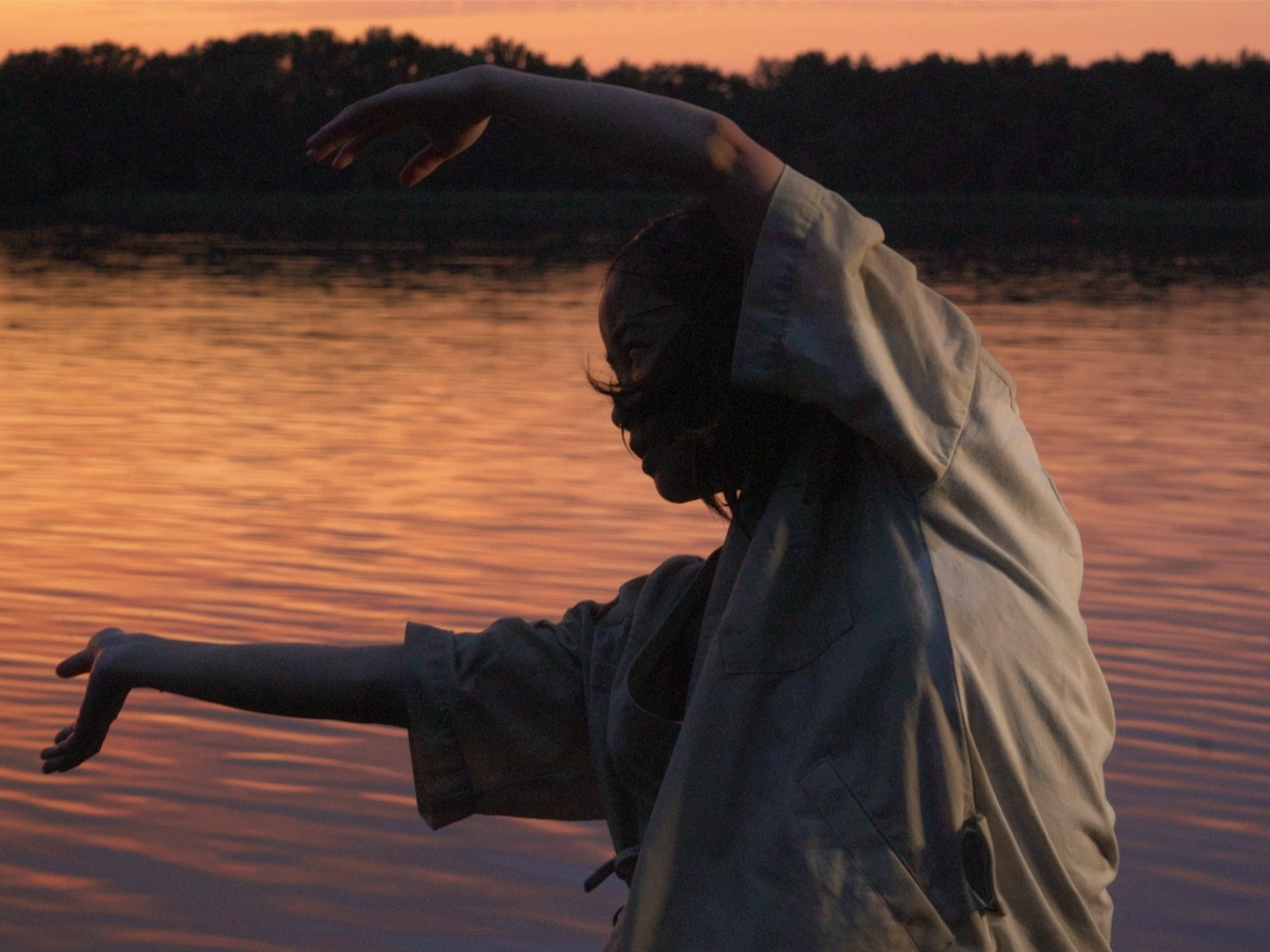
| Abstract | How do we repair the historical fractures of a marginalized diaspora when the official archive itself is the source of rupture? During WWI, an estimated 4,000 Koreans participated in the war, yet the traces of only six individuals were captured and recorded by the German phonogram archive (Lautarchiv). While these rare acoustic traces were preserved, the identities of these POWs were fractured by a shifting grammar of categorization—from imperial racial measurements to colonial administration, and later, retrospective Cold War ideological labels (e.g., 'North Korean'). Their existence became a collective "Posthumous Exile," perpetually displaced by borders and patriarchal archival logic. The official archive did not preserve their individual histories; it fragmented them. This lecture-performance and screening project, titled Sonic Relics, proposes a methodology of "reparative historiography" through the visceral body. When the documentary evidence is scattered and the paper archive fails to hold these drifting spirits, I turn to the body as an alternative theoretical site and a warm vessel. I define this practice as a "Somatic Seance." Through collaboration with a choreographer, the moving image work attempts to tether the disembodied voices back to the physical world using three elemental stages: Land (grounding the floating memory), Wave (manifesting the century-old echo), and Saliva (the fluid threshold of utterance). By shifting the focus from nationalistic narratives to visceral realities, this presentation asks how we can diversify our visual literacy. It challenges the audience to look past the ideological labels and meet the gaze of the individuals, offering an embodied practice to heal the fragmented archive. |
| Image |
|
| Short biographies of the presenter(s) |
|
| Previous presentations or iterations of the research | Moving Image Remains Conference, Goethe University Frankfurt, Frankfurt am Main, Germany (20 minutes long project presentation format) |
| Additional information | This contribution is designed for a 30-minute slot (20-minute lecture-performance + 10-minute Q&A). The session will interweave a critical academic reading with an artistic screening. The presenter will first narrate the historical and theoretical context of the Lautarchiv, functioning as a live storytelling element. This live narration will then transition into the screening of a curated 5-to-7-minute excerpt from the full 30-minute moving image work, Sonic Relics. By screening a focused excerpt rather than the full film, the presentation ensures ample time to discuss the specific artistic methodology—the "Somatic Seance" (Land, Wave, Saliva)—while strictly adhering to the conference's time constraints. This format bridges the gap between historical research and artistic practice, allowing the audience to experience the "Somatic Seance" both intellectually and sensorially. |
| Spatial and technical requirements | A dark room suitable for video screening. A projector and a high-quality sound system (stereo speakers). A microphone and a reading stand (podium) for the live lecture-performance. |
| Potential risks or ethical concerns | |
| Create a user account for SAR 2026 | Níl |