Secondary tabs
Submission information
Submission Number: 148
Submission ID: 198
Submission UUID: 9857385a-b19d-45ba-8140-d6b9e14008cb
Submission URI: /ga/form/submit-contribution
Cruthaithe: Tue, 24 Feb 2026 - 03:55
Déanta: Tue, 24 Feb 2026 - 18:46
Changed: Wed, 13 May 2026 - 08:55
Remote IP address: 50.4.237.68
Submitted by: Darshana Devarajan
Teanga: English
Is draft: Níl
Current page: webform_confirmation
Flagged: Tá
| Given name | Darshana |
|---|---|
| Surname | Devarajan |
| darshana.devarajan@gmail.com | |
| I understand that by submitting this form, I consent to the use of my data for the purposes of the 2026 Forum on Artistic Research'. | Tá |
| I agree to the terms of service. | Tá |
| Title | (Re)Searching Rupture and Repair: An Artistic Inquiry on Decolonial Education |
| Format | Workshop |
| Main language | English |
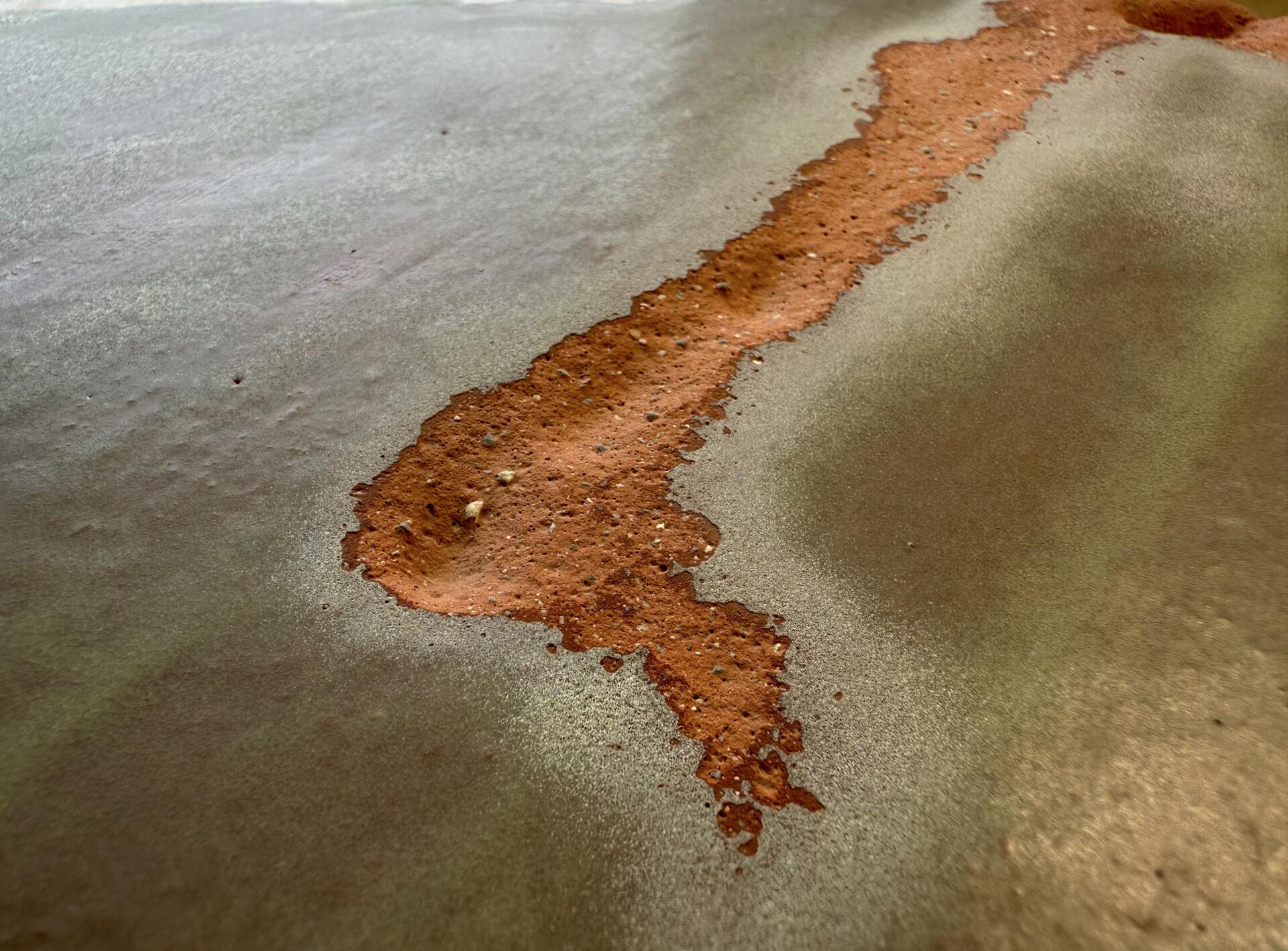
| Abstract | French filmmaker and essayist, Georges Perec (1973), argues that the media often frames strikes or protests as extraordinary events. However, Perec reminds us that the conditions that bring us to challenge the status quo are intolerable 24 hours a day, 7 days a week. He calls on us to pay attention to the habitual, everyday occurrences—the stuff we believe is of no consequence. Once we pay attention to our quotidian world, we realize that the impact of patriarchal, imperial, and neoliberal systems dictates what languages we speak and how we speak them; what food we eat and how we procure it; and what clothes we wear and how they are made. Māori scholar, Linda Tuhiwai Smith (2021), highlights how schools reproduce hierarchized knowledge for uncritical consumption, and how any attempt to “indigenize” colonial academic practices have been fraught with major struggles over what counted as knowledge, as literature, and as research. Given this history and impact of colonial powers, it becomes important for us to examine the scholarly world we occupy through non-traditional methods. In this roundtable presentation, I practice artistic inquiry to make the impact of colonialism on our everyday lives both seeable and sayable. Inspired by Jim Melchert’s (2004) Feathers of the Pheonix, where he drops prefabricated tiles and reassembles them, I explore the impact of rupture on the clay body. I expose unfired clay and fired ceramic tiles to the elements like fire, water, and air, and materials like porcelain and sand to posit how our lives are constantly impacted by systemic injustices. Keeping with the idea of the phoenix—something rises from the destruction—these ruptured ceramic pieces not only display the ever-lasting impact of rupture, but also how the clay body heals itself after the damage. This artistic inquiry asks us to pause, process, and take in the destruction we live with every day, reminding us that the resistance against oppression is on the horizon. |
| Image |
|
| Short biographies of the presenter(s) |
|
| Previous presentations or iterations of the research | This research was presented as a part of a solo ceramics exhibition in Michigan State University, U.S.A. It was also a part of my public dissertation defense. |
| Additional information | I submitted to the roundtable because I thought it was appropriate for works-in-progress, since this work has not been published anywhere yet. If the workshop is a more appropriate format, I would appreciate if I was considered for that instead. https://www.researchcatalogue.net/view/4207019/4207020 |
| Spatial and technical requirements | Video and audio display to share videos of the ceramic experiments. Table to display ceramic tiles. |
| Potential risks or ethical concerns | N/A |
| Create a user account for SAR 2026 | Tá |
| Create new user | Darshana Devarajan |