Secondary tabs
Submission information
Submission Number: 389
Submission ID: 461
Submission UUID: d554461d-a709-4361-aad7-86e39ad51d25
Submission URI: /ga/form/submit-contribution
Cruthaithe: Mon, 2 Mar 2026 - 21:20
Déanta: Mon, 2 Mar 2026 - 21:45
Changed: Wed, 13 May 2026 - 08:48
Remote IP address: 91.37.148.237
Submitted by: Anonymous
Teanga: English
Is draft: Níl
Current page: webform_confirmation
Flagged: Tá
| Given name | Benjamin |
|---|---|
| Surname | Helmer |
| benjamin.helmer@hfmt-hamburg.de | |
| I understand that by submitting this form, I consent to the use of my data for the purposes of the 2026 Forum on Artistic Research'. | Tá |
| I agree to the terms of service. | Tá |
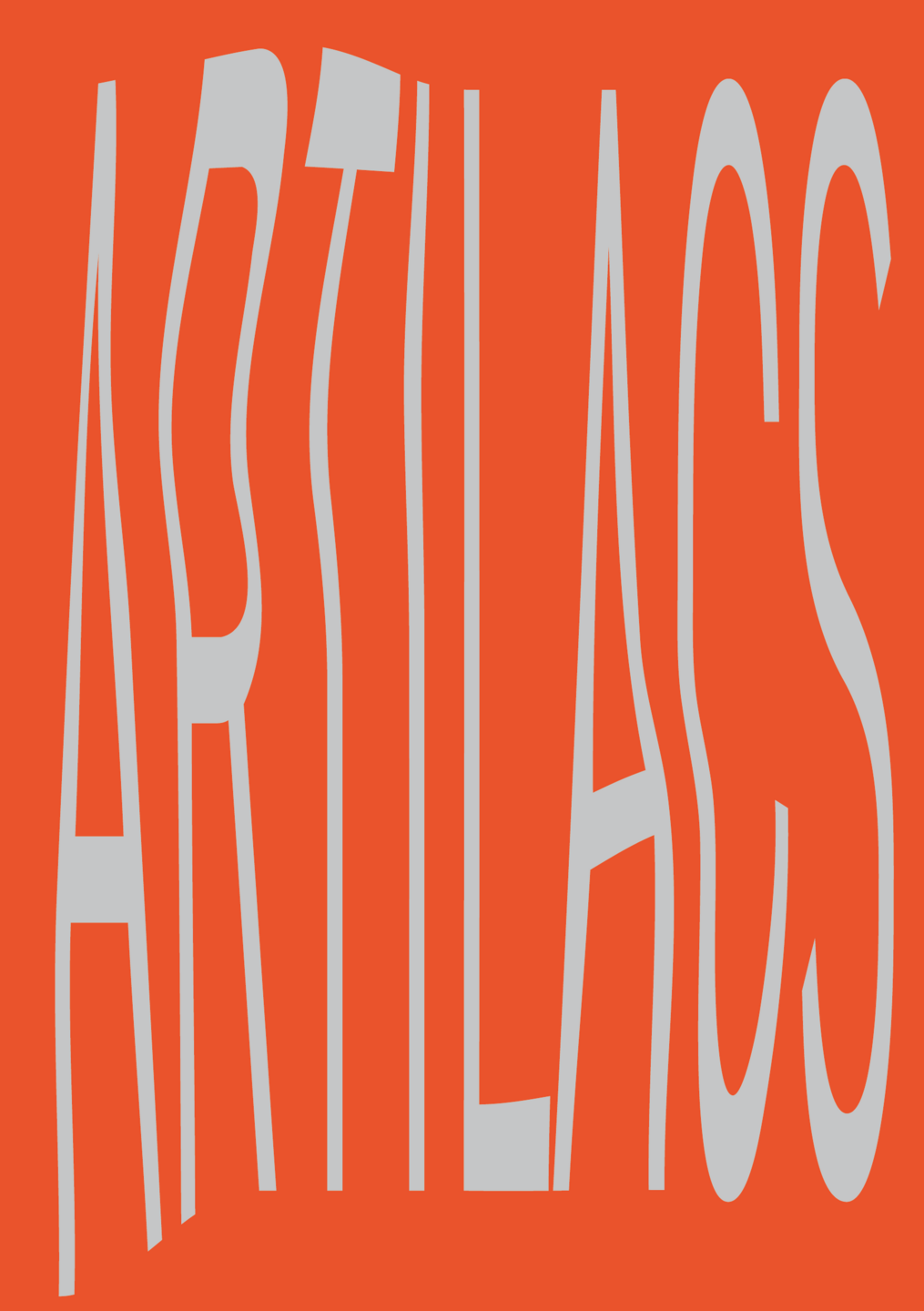
| Title | ARTILACS - Artistic Intelligence in Latent Creative Space |
| Format | Poster presentation |
| Main language | English |
| Abstract | The poster will focus on aspects of the research project ARTILACS (Artistic Intelligence in Latent Creative Spaces). Founded in 2025 it explores the tension between machine logic and artistic thinking. Instead of euphorically celebrating or reflexively rejecting Artificial Intelligence (AI), the project aims to question its possibilities and risks for artistic research through the principle of affirmative critique. A central approach within ARTILACS to generate these critical-affirmative shifts is the concept of «digital idiocy». While algorithmic systems like Large Language Models (LLMs) are primarily geared towards instrumental problem-solving through probability calculation, «digital idiocy» deliberately introduces a «slow-down effect» into aesthetic epistemology. Following Isabelle Stengers, the figure of the idiot forces us to pause and resist intrusive crisis rhetoric before a machine or social consensus is reached. As a conceptual persona, the idiot evades the pressure to conform; they reframe problems instead of merely optimizing given solutions. This approach forms a creative zero point, from whose indecisiveness artistic thinking can emerge beyond algorithmic market forces. The latent vector spaces of AI models serve as a methodological metaphor for the entire research group: artistic research similarly navigates the realm of the unspoken and the not-yet-known. Artistic intelligence develops here as a hybrid interplay of human and technology. It stretches out a provisional foil to rethink the political-aesthetic potential of the present. Supported by four Hamburg universities — the University of Music and Drama, the Hamburg University of Applied Sciences, the University of Fine Arts, and the HafenCity University — , ARTILACS functions as an interdisciplinary laboratory. The poster illustrates how linking artistic research with theoretical approaches like «digital idiocy» generates new, situational knowledge at the intersection of art and AI. |
| Image |
|
| Short biographies of the presenter(s) |
|
| Previous presentations or iterations of the research | |
| Additional information | To make the concepts of ARTILACS and the tension between machine efficiency and «digital idiocy» physically tangible, we will expand the traditional poster presentation with interactive elements at the provided table. Media Interaction: Using devices like headphones or a laptop/tablet, visitors can experience our aesthetic processes firsthand. This may include curated audio/multimedia experiments (HfMT/HAW) or a customized, interactive AI interface that performatively demonstrates the «slow-down effect» by inviting deliberate digital irritation. Participation: An open format—such as an analog notebook for «epistemological muttering»—will invite the audience to record their own everyday experiences with algorithmic errors or digital fatigue, allowing us to collectively gather methodological non-knowledge. |
| Spatial and technical requirements | - Space for poster display stand - Table to place two laptops, two speakers - two chairs - power supply |
| Potential risks or ethical concerns | |
| Create a user account for SAR 2026 | Níl |