Secondary tabs
Submission information
Submission Number: 358
Submission ID: 425
Submission UUID: ee641ec6-d5c6-4e16-92a6-a77f65a583b0
Submission URI: /ga/form/submit-contribution
Cruthaithe: Mon, 2 Mar 2026 - 00:03
Déanta: Mon, 2 Mar 2026 - 01:59
Changed: Wed, 13 May 2026 - 08:12
Remote IP address: 50.30.234.175
Submitted by: Anonymous
Teanga: English
Is draft: Níl
Current page: webform_confirmation
| Given name | Lóri |
|---|---|
| Surname | Fejes |
| lfejes@buffalo.edu | |
| I understand that by submitting this form, I consent to the use of my data for the purposes of the 2026 Forum on Artistic Research'. | Tá |
| I agree to the terms of service. | Tá |
| Title | Fabulative retrieval for early Hungarian performance |
| Format | Poster presentation |
| Main language | English |
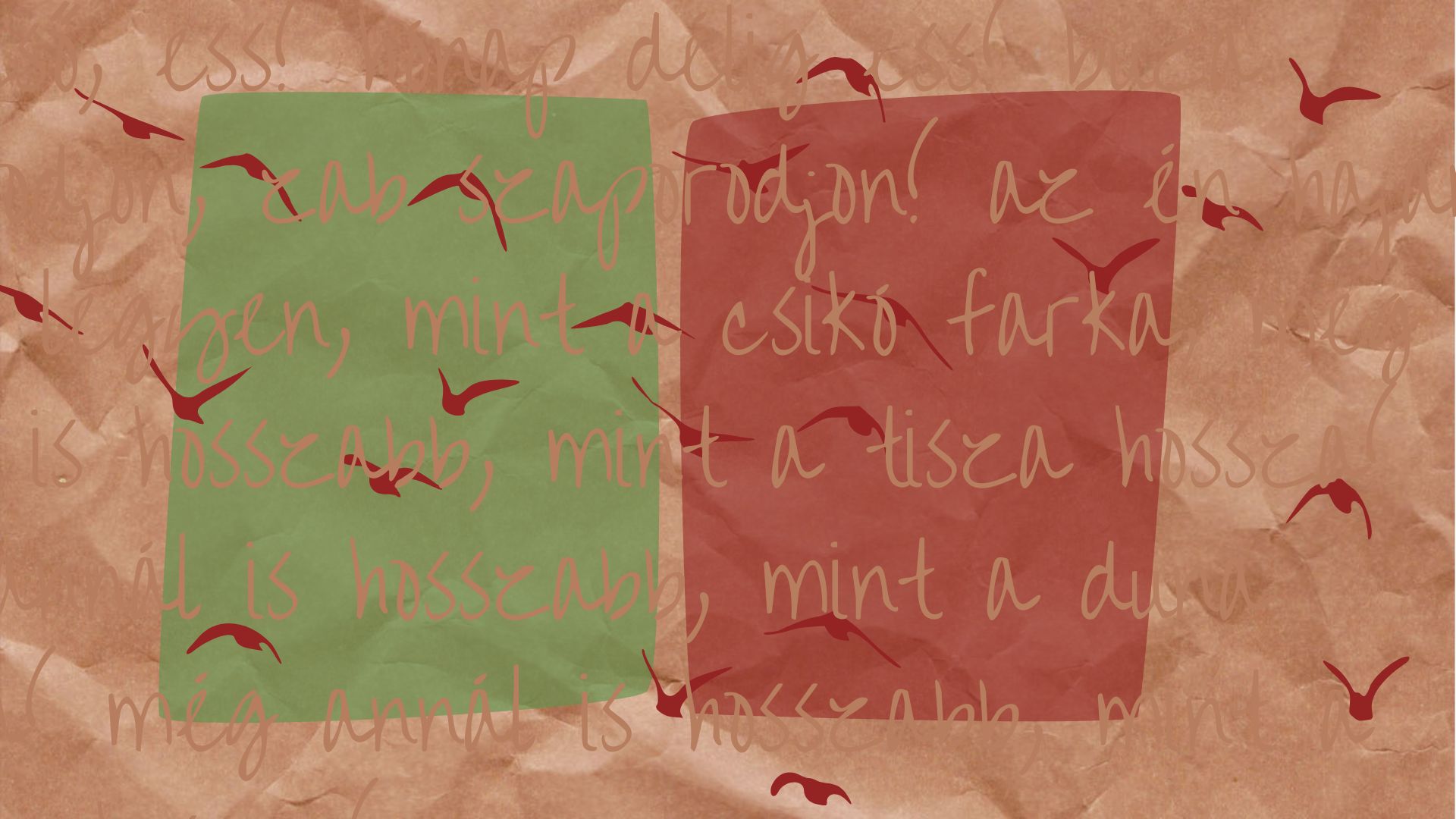
| Abstract | Any scholarly approach to ancient, pre-Christian Hungarian performance culture wrestles with reaching across the thousand years that separate researcher from subject matter. To uncover any traces of such subject matter across such immense temporality, this project looks to linguistic fabulation as a tool of cultural retrieval. In the late 18th century the language revival movement (nyelvújítás), among other efforts, reintroduced significant ancient lexica to modernize Hungarian. Such revitalized vocabulary often appear in games, limericks, and tales, even if their daily use has waned. The constellation of games, limericks, and tales isn’t solely a potent site for linguistic analysis, their trifecta may also evidence performative practices. At this linguistic-performative intersection emerge methodologies of fabulation that work against the empiric academic model of archival verification and factuality. In this project I access select Hungarian games, limericks, and tales through the framework of fabulation to argue that their lengthy cultural presence reiterates remnants of ancient, pre-Christian Hungarian performance. |
| Image |
|
| Short biographies of the presenter(s) |
|
| Previous presentations or iterations of the research | This project is a tentative chapter in my forthcoming dissertation proposal. I have previously engaged with the linguistic side of the work as an undergraduate, but am now moving this inquiry into performance studies and negotiating the embodied ramifications of linguistic and archival retrieval. |
| Additional information | NA |
| Spatial and technical requirements | NA |
| Potential risks or ethical concerns | NA |
| Create a user account for SAR 2026 | Tá |
| Create new user | Lóri Fejes |