Secondary tabs
Submission information
Submission Number: 86
Submission ID: 129
Submission UUID: 8c831dc2-c193-41c6-88df-2b8fa14e42be
Submission URI: /ga/form/submit-contribution
Cruthaithe: Tue, 17 Feb 2026 - 11:07
Déanta: Tue, 17 Feb 2026 - 13:02
Changed: Wed, 13 May 2026 - 08:12
Remote IP address: 80.68.234.179
Submitted by: Anonymous
Teanga: English
Is draft: Níl
Current page: webform_confirmation
| Given name | Kinga |
|---|---|
| Surname | Bartniak-Król |
| k.bartniak@asp.wroc.pl | |
| I understand that by submitting this form, I consent to the use of my data for the purposes of the 2026 Forum on Artistic Research'. | Tá |
| I agree to the terms of service. | Tá |
| Title | Hic sunt equi |
| Format | Poster presentation |
| Main language | English |
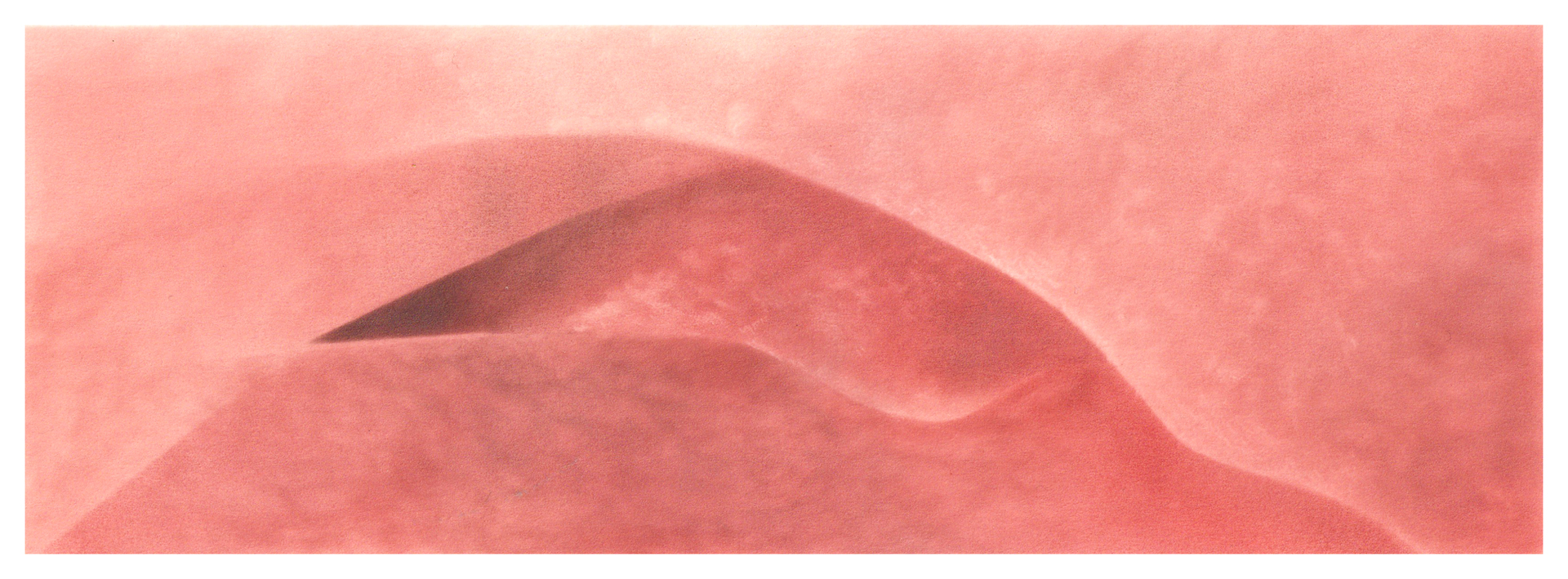
| Abstract | In my artistic practice, I research the commodification of freedom of non-human beings. I consider them minorities, even though they often outnumber humans and yet remain unheard because they do not speak a language we recognise. What we offer them often does not correspond to their needs: claustrophobic stables, apartments, offices, dust, and a lack of sunlight. Their needs are often in conflict with human needs, yet they are forced to live within our society and serve multiple purposes. They have no choice. Processes of minorisation and commodification can affect not only human groups, but also plants, animals, and even emotions. In my PhD research, I focused on plants as victims of human well-being. Their greenery improves office environments, yet they are easily forgotten and left without care, as became visible during the pandemic months. Recently, I began a new research project on another non-human minority: horses. I focus on two groups - war horses and racing horses. Eohippus (eōs, “dawn” and hippos, “horse”), an early ancestor of the modern horse, resembled a rat, had toes instead of hooves, and was initially classified by scientists as a member of the shrew family. The strength, speed, and elegance of the modern horse have contributed to its commodification. Would its original form have been safer in its relationship with humans? Attached image: drawing, title "Koniec Świtu". |
| Image |
|
| Short biographies of the presenter(s) |
|
| Previous presentations or iterations of the research | |
| Additional information | |
| Spatial and technical requirements | Poster presentation won't exceed the formal requirements. |
| Potential risks or ethical concerns | |
| Create a user account for SAR 2026 | Tá |
| Create new user |