Secondary tabs
Submission information
Submission Number: 75
Submission ID: 114
Submission UUID: 473fec12-0919-49c3-b049-c4dd6f4046c3
Submission URI: /ga/form/submit-contribution
Cruthaithe: Sat, 14 Feb 2026 - 00:12
Déanta: Sat, 14 Feb 2026 - 00:29
Changed: Wed, 13 May 2026 - 08:16
Remote IP address: 46.222.193.32
Submitted by: Gerard Ryan
Teanga: English
Is draft: Níl
Current page: webform_confirmation
Flagged: Tá
Locked: Tá
| Given name | Gerard |
|---|---|
| Surname | Ryan |
| gerard.ryan@urv.cat | |
| I understand that by submitting this form, I consent to the use of my data for the purposes of the 2026 Forum on Artistic Research'. | Tá |
| I agree to the terms of service. | Tá |
| Title | The Unhearable Market: Electromagnetic Soundwalks as Artistic Research |
| Format | Workshop |
| Main language | English |
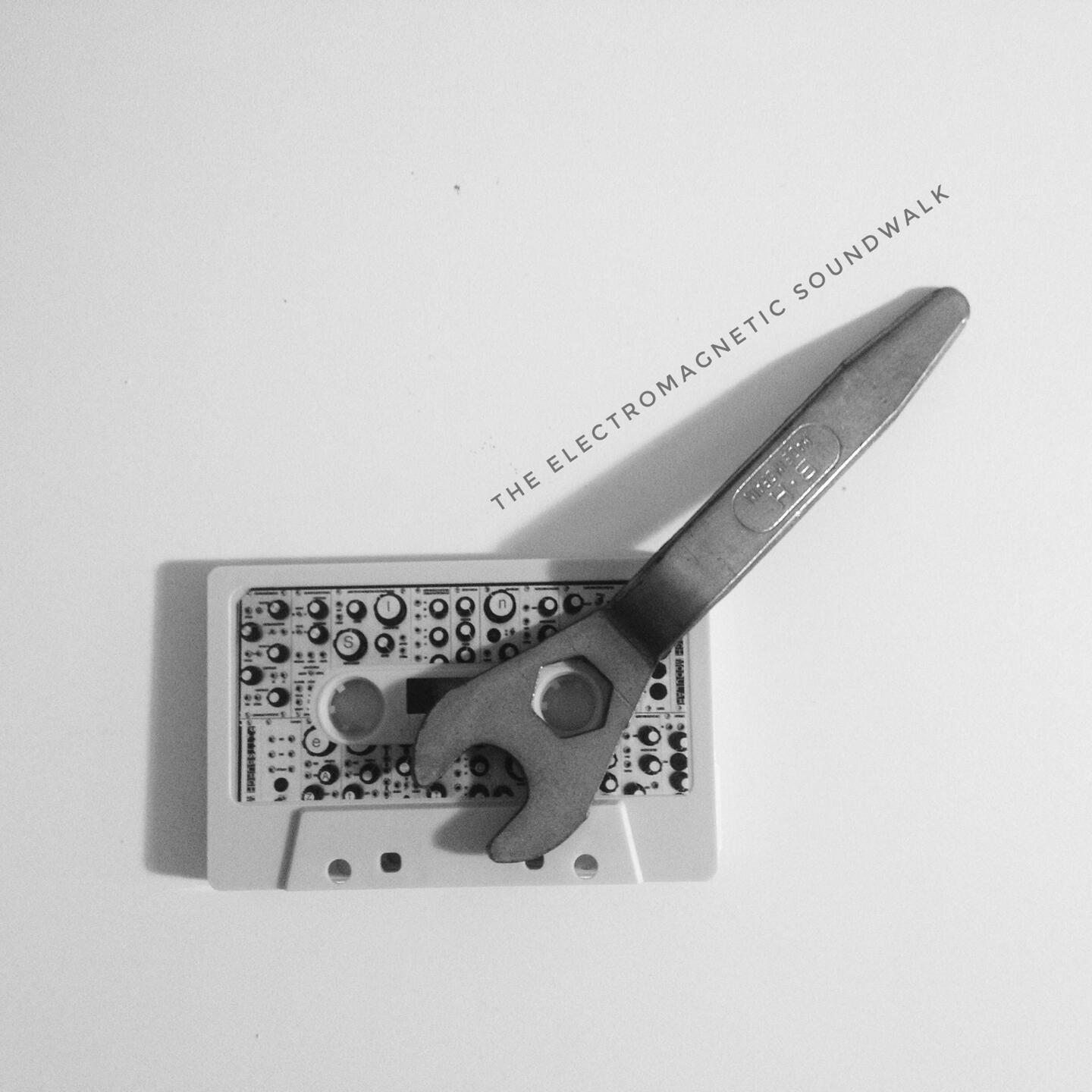
| Abstract | This workshop introduces electromagnetic listening as artistic research into an endangered perceptual realm: infrastructural signals that shape consumer environments while remaining largely unavailable to ordinary hearing and description. Using handheld electromagnetic detectors as audio instruments, participants take part in a single guided electromagnetic soundwalk (9 participants) that converts emissions from retail and urban systems into audible sound. The workshop treats these signal worlds as conceptually endangered because interface design and platform logics make them operationally central yet perceptually absent, and because they resist stable verbalisation. Rather than decoding signals into fixed meanings, the workshop develops a repeatable protocol for attentive listening, annotation, and comparative description. Participants work with a small set of descriptive operators (for example: pulse, drift, density, saturation, interference) to compare what is heard across different moments on the same route without forcing interpretive closure. The accompanying Research Catalogue exposition provides the protocol, a minimal route diagram, short audio excerpts, and a documentation template designed to be readable in fifteen minutes. The outcome is a systematic and transferable artistic research procedure for listening past the interface and making otherwise unhearable infrastructures discussable. |
| Image |
|
| Short biographies of the presenter(s) |
|
| Previous presentations or iterations of the research | This workshop develops from ongoing artistic research on electromagnetic listening in consumer environments. Elements of the method have been tested through pilot electromagnetic soundwalks and audio experiments, but this specific 9-participant workshop format and its accompanying Research Catalogue exposition have been created specifically for the SAR 2026 submission |
| Additional information | Additional information on the presentation format (max 1,000 characters) Structure (120 minutes). 1) Orientation and ethics (10). 2) Demonstration and calibration of devices (15). 3) Guided listening to a short curated excerpt and introduction of the descriptive operators (15). 4) Single guided electromagnetic soundwalk (45): one route near the venue with 9 participants using the detectors; live outcomes are treated as contingent. 5) Return and debrief (25): compare observations using the operator set and discuss what becomes sayable and what remains resistant. |
| Spatial and technical requirements | Seminar room for 9 participants plus facilitator, with projector and screen, and audio playback (speakers). Table space for devices and note-taking. A nearby walkable route (approximately 20 to 30 minutes total walking time) starting and ending at the venue. I will provide electromagnetic listening devices for up to 9 participants. |
| Potential risks or ethical concerns | Public-space component: participants will be instructed not to record intelligible speech, personal conversations, names, faces, or identifying details. The workshop is not aimed at surveillance of people or devices; it focuses on non-identifying signal textures and infrastructural emissions. Safety: the route will avoid hazardous crossings where possible; participants may opt out. Accessibility and weather contingencies are included, with an indoor-only alternative. |
| Create a user account for SAR 2026 | Tá |
| Create new user |