Secondary tabs
Submission information
Submission Number: 17
Submission ID: 44
Submission UUID: 0029d770-5472-4c65-8749-d6c79e9f5218
Submission URI: /ga/form/submit-contribution
Cruthaithe: Wed, 21 Jan 2026 - 11:11
Déanta: Wed, 18 Feb 2026 - 15:31
Changed: Wed, 13 May 2026 - 08:12
Remote IP address: 86.45.241.14
Submitted by: Anonymous
Teanga: English
Is draft: Níl
Current page: webform_confirmation
Personal Information
Your contribution
Decolonial love? How I, a middle-aged white man, learnt to listen with my hands
English
This presentation reflects on an intercultural collaboration with Zambian artist Afulodidim Nikefolosi that led to the exhibition “Decolonial Love” and the short film "Decolonial Love?". Working as her assistant, co-author and artisan, I found myself literally “listening with my hands”: translating her concepts into masks, installations and moving-image works while confronting my own position as a white, middle-aged European man.
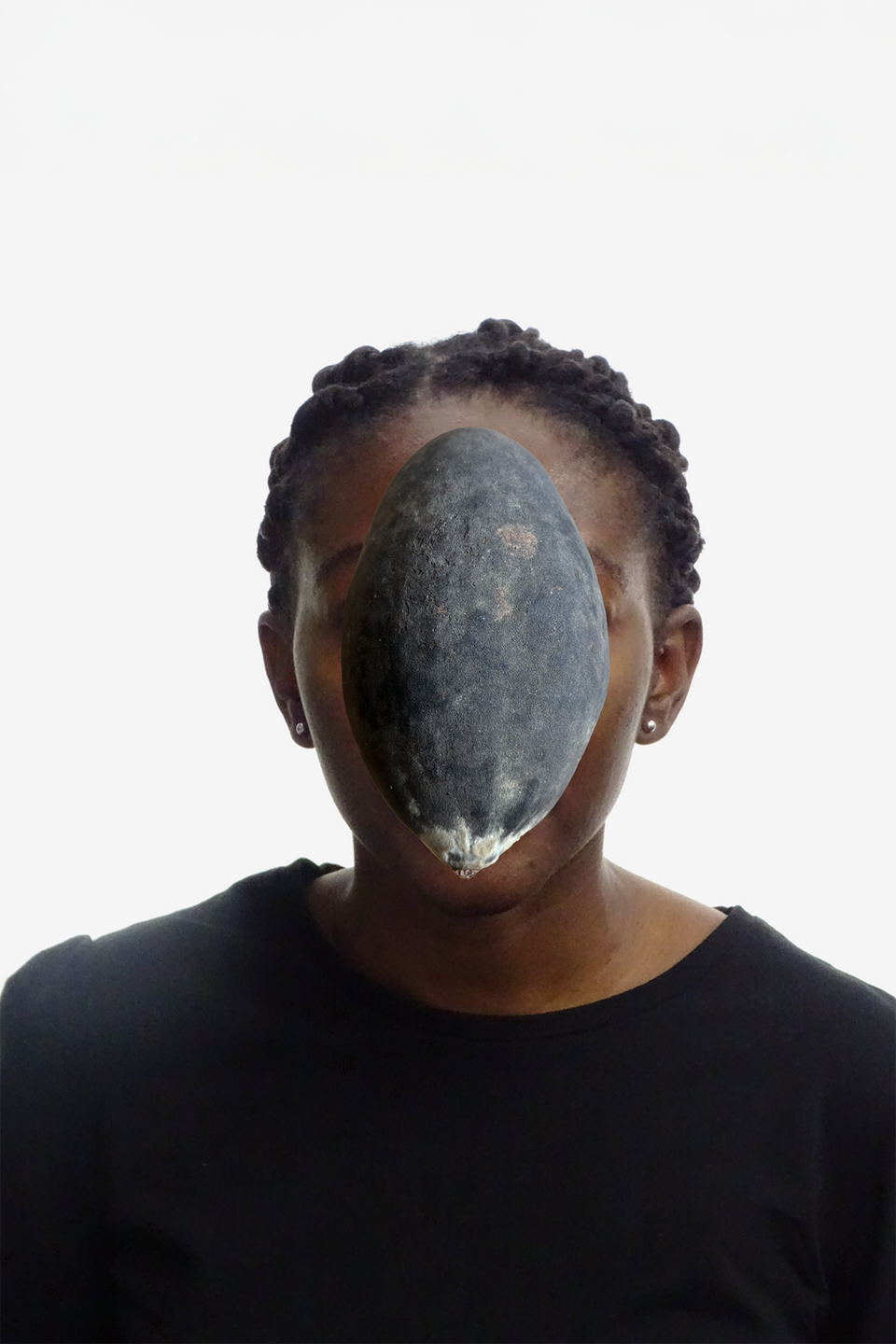
Through a series of practice-based vignettes (the Baobab portraits, the Masks series, and The Beads installation), I show how hand-based making can become a mode of decolonial listening. Rather than seeking transparency or explanation, this work engages Glissant’s “right to opacity”, Indigenous practices of refusal, and the discomfort of postcolonial encounter. The pieces require viewers to bend, peer, and negotiate fragile spaces; similarly, the process required me to negotiate miscommunication, white entitlement, and questions of authorship and value.
Analysing these processes, I propose “listening with the hands” as an artistic research method that:
- makes visible and sensible the usually unspoken dynamics of race, migration, and coloniality;
- explores the ineffable through embodied, affective registers that exceed verbal discourse;
- troubles the figure of the authoritative lone author by foregrounding asymmetrical, yet generative, collaboration.
Situated at the intersection of “making seeable and sayable”, “ineffable and endangered practices”, and “experimental methodologies”, the talk contributes a grounded, practice-led account of how artistic research can enact decolonial love as shared, risky making rather than abstract ideal—inviting others to consider how their own hands might learn to listen.
Through a series of practice-based vignettes (the Baobab portraits, the Masks series, and The Beads installation), I show how hand-based making can become a mode of decolonial listening. Rather than seeking transparency or explanation, this work engages Glissant’s “right to opacity”, Indigenous practices of refusal, and the discomfort of postcolonial encounter. The pieces require viewers to bend, peer, and negotiate fragile spaces; similarly, the process required me to negotiate miscommunication, white entitlement, and questions of authorship and value.
Analysing these processes, I propose “listening with the hands” as an artistic research method that:
- makes visible and sensible the usually unspoken dynamics of race, migration, and coloniality;
- explores the ineffable through embodied, affective registers that exceed verbal discourse;
- troubles the figure of the authoritative lone author by foregrounding asymmetrical, yet generative, collaboration.
Situated at the intersection of “making seeable and sayable”, “ineffable and endangered practices”, and “experimental methodologies”, the talk contributes a grounded, practice-led account of how artistic research can enact decolonial love as shared, risky making rather than abstract ideal—inviting others to consider how their own hands might learn to listen.
- Brice Catherin is a classically trained cellist, composer and interdisciplinary artist (MAs in performance and composition; PhD, Hull). He has created and performed work across 21 countries and taught cello, improvisation and composition in higher education in Switzerland, Cyprus, the UK and Ireland. He specialises in participatory projects with minoritised communities. Recent presentations include the UNESCO Chair, University of Glasgow, and Intercultural Communication Journal. He is a 0.8 postdoctoral researcher on artistic methodologies at University College Cork.
No previous presentation, although I am presently working on an article on this topic.
Requirements
n.a.
n.a.
No ethical concern. The research is auto-ethnographic in nature.
Tá
Brice Catherin