Secondary tabs
Submission information
Submission Number: 211
Submission ID: 269
Submission UUID: 6d3dc0f1-602a-4571-acf3-4f0b4274c785
Submission URI: /ga/form/submit-contribution
Cruthaithe: Fri, 27 Feb 2026 - 12:18
Déanta: Fri, 27 Feb 2026 - 12:50
Changed: Wed, 13 May 2026 - 08:12
Remote IP address: 90.240.171.251
Submitted by: Anonymous
Teanga: English
Is draft: Níl
Current page: webform_confirmation
Personal Information
Your contribution
Manchester's queer sonics: ineffable dimensions of embodied, minoritised knowledge
English
Manchester's queer sonics offer a compelling site for exploring the ineffable dimensions of embodied, minoritised knowledge. Sound lends itself to queer expression as listening holds affective and relational potential essential to understanding oneself and one's community. Whilst sonic practices have been used to engage communities, and sound artists have experimented with queerness, the intersection of queerness, sound and community remains underdeveloped — a gap this study addresses through a queer sonic engagement framework.
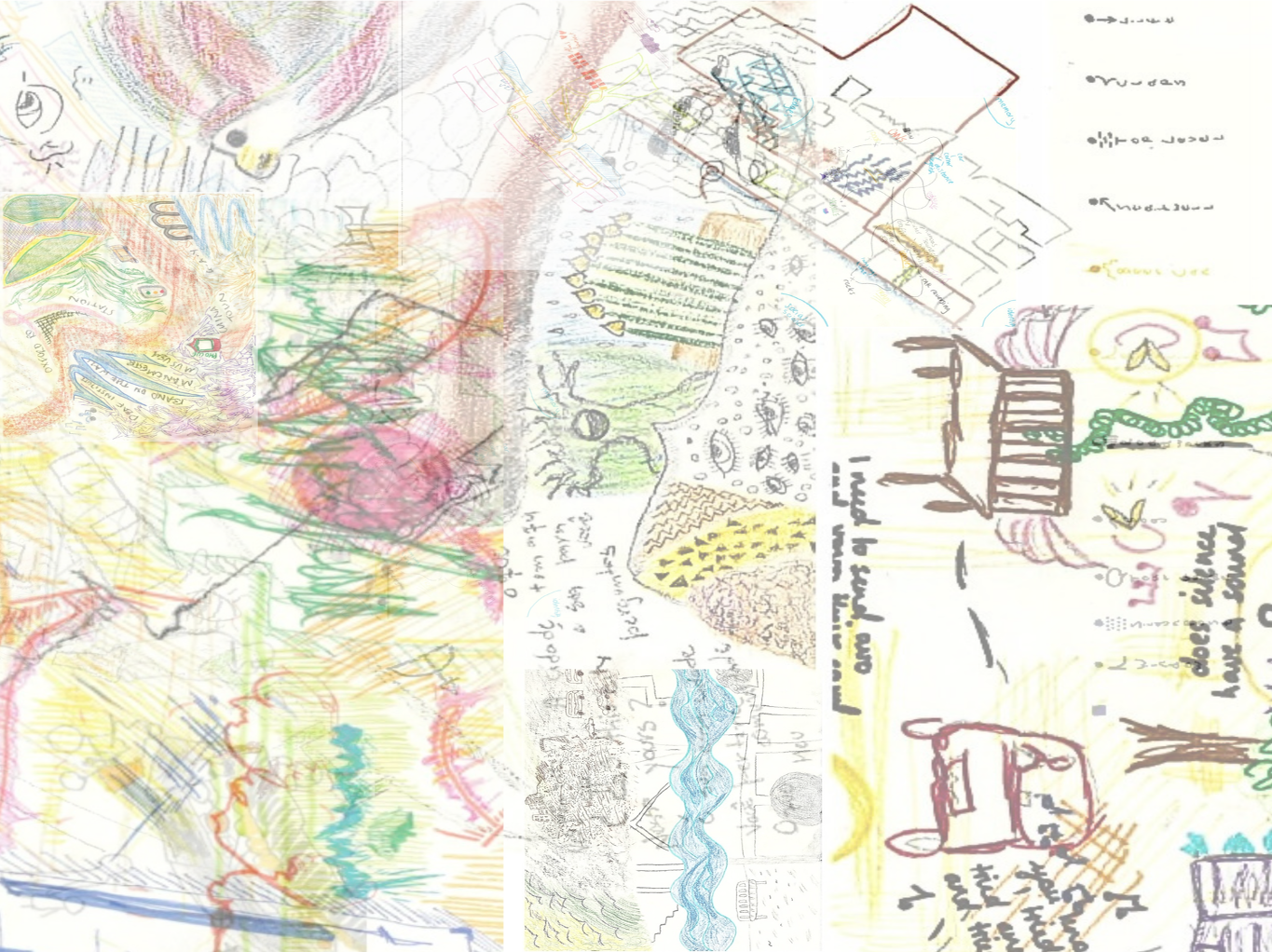
Manchester's Gay Village serves as an apt site: well-researched as a queer geographic area, yet unexamined through sound. The research question — what can we learn from sonically mapping queer Manchester? — is pursued through practice as research with eleven co-researchers. The practice of sonic mapping encompasses soundwalks, field recordings, soundscape composition and soundmap drawing, each offering a mode of bodily, self-reflexive and narrative engagement with queer sonic experience. These methods foreground the embodied, subjugated knowledges that resist easy verbalisation, attending instead to what sound can articulate where language falls short.
Theoretically grounded in the affective sonic self and queer sonic relationality, the framework attends to both individual and collective dimensions of queer sonic life. Findings suggest that sonically mapping queer Manchester cultivates agency and contributes to community building — articulated through a co-produced exhibition and digital soundmap presenting individual and collective artworks in dialogue. In this experimental format the early stages of the exhibition artworks will be presented and discussed, examining its potential to surface endangered, embodied and otherwise unsayable knowledges.
Manchester's Gay Village serves as an apt site: well-researched as a queer geographic area, yet unexamined through sound. The research question — what can we learn from sonically mapping queer Manchester? — is pursued through practice as research with eleven co-researchers. The practice of sonic mapping encompasses soundwalks, field recordings, soundscape composition and soundmap drawing, each offering a mode of bodily, self-reflexive and narrative engagement with queer sonic experience. These methods foreground the embodied, subjugated knowledges that resist easy verbalisation, attending instead to what sound can articulate where language falls short.
Theoretically grounded in the affective sonic self and queer sonic relationality, the framework attends to both individual and collective dimensions of queer sonic life. Findings suggest that sonically mapping queer Manchester cultivates agency and contributes to community building — articulated through a co-produced exhibition and digital soundmap presenting individual and collective artworks in dialogue. In this experimental format the early stages of the exhibition artworks will be presented and discussed, examining its potential to surface endangered, embodied and otherwise unsayable knowledges.
- Markus Hetheier is an electronic musician and researcher. Under his artist alias Industries he explores and subverts musical structures and ranges from field recordings, distorted sounds to harmonic melodies and large beats. Together with Norrisette, he co-runs the queer electronica night FLUFF platforming new electronic live music in a community oriented environment. Besides being an electronic musician, he is also undertaking a practice-based PhD at the School of Digital Arts at Manchester Metropolitan University investigating Manchester's queer sonics. In addition, he is a lecturer in digital media at The University of Manchester.
{Empty}
Requirements
{Empty}
I will need access to a space with a table, computer, screen and speakers. I would also like to hang up some images, for example on a board with some pins. I would like the room to be set up in a workshop style with tables and chairs spread across the room as opposed to them all being in straight lines.
{Empty}
Níl